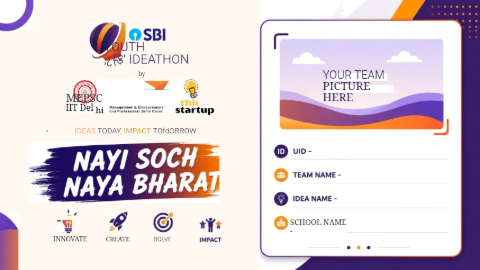
Slide 1:Opening: Good morning. My project is FINSaathi AI, a student-friendly app concept that helps young people build healthy money habits and recognise common financial risks.
Slide 2:Explain that FINSaathi AI addresses a learning gap. Describe this as a common challenge and opportunity, not a claim about every student.
Slide 3:FINSaathi AI is an educational app concept, not a financial service. It does not connect to bank accounts or make investment decisions.
Slide 4:Different age groups need different levels of language and complexity. A real launch would require age-appropriate design, testing and appropriate adult involvement for younger users.
Slide 5:Walk through the features. The budget planner and savings tracker are for practice and learning; they do not move or store real money.
Slide 6:Give a short example: a student sets a goal for a book, practises recording savings and sees progress. This is a learning simulation, not a wallet.
Slide 7:AI explanations can be wrong, so the app should remind users to verify important information and seek trusted adult or professional guidance.
Slide 8:These are intended outcomes, not proven results. A pilot with students and teacher feedback would be needed to measure impact.
Slide 9:Safety is a design priority. The prototype is not yet a certified or fully production-ready financial product. A real release needs privacy, security, child-safety and legal review.
Slide 10:The current source project is a starter prototype. This roadmap shows what must happen before a reliable public launch.
Slide 11:Closing: FINSaathi AI aims to make financial literacy simple, practical and safer for young learners. Thank you. I am happy to answer your questions.
Slide 12:Use these as suggested responses. Adapt them to what you have actually built and tested. Do not claim features or results that are not present in your current prototype.
Slide 13:No notes available
Slide 14:No notes available